

The internet continues to evolve at an extraordinary pace, introducing new concepts, platforms, and approaches that reshape how people interact with information. Among the emerging terms attracting attention is disquantified org, a concept that sparks curiosity due to its unique name and broad digital implications. While many organizations and platforms focus heavily on numerical measurements, analytics, and performance indicators, the idea behind disquantification suggests a different perspective—one that places greater emphasis on qualitative value, human-centered experiences, and meaningful interactions.
As technology becomes increasingly integrated into everyday life, users often seek platforms that prioritize relevance over excessive metrics. This shift has encouraged discussions about alternative approaches to managing information, communities, and digital ecosystems. The concept associated with www Disquantified Org reflects this growing interest in balancing data-driven decision-making with human insight.
This article explores the meaning, significance, features, advantages, challenges, and future possibilities surrounding disquantified org. Whether you are a digital enthusiast, business professional, researcher, or curious reader, understanding this concept can provide valuable insight into evolving trends within the online world.
What Is www Disquantified Org?
At its core, www Disquantified Org can be viewed as a conceptual framework that challenges excessive reliance on quantitative measurements. Traditional digital systems often prioritize metrics such as clicks, impressions, conversion rates, engagement percentages, and numerical rankings. While these indicators offer useful insights, they do not always capture the complete picture of value and impact.
The philosophy behind disquantified org emphasizes aspects that are difficult to measure through numbers alone. These may include user satisfaction, community trust, creativity, innovation, collaboration, and meaningful engagement. Instead of focusing exclusively on measurable outputs, this approach encourages a broader evaluation of success.
In modern digital environments, many individuals feel overwhelmed by constant tracking, performance monitoring, and algorithmic scoring. The emergence of concepts like disquantified org reflects a desire to create more balanced systems where qualitative experiences hold equal importance alongside quantitative data.
This perspective does not reject analytics entirely. Rather, it promotes a healthier integration of measurable insights with human judgment, creating a more comprehensive understanding of progress and effectiveness.
The Growing Need for Alternative Digital Models
As organizations become increasingly dependent on data analytics, concerns about over-measurement continue to rise. Businesses collect vast amounts of information regarding user behavior, preferences, and activities. While data can improve decision-making, excessive dependence on numbers sometimes leads to unintended consequences.
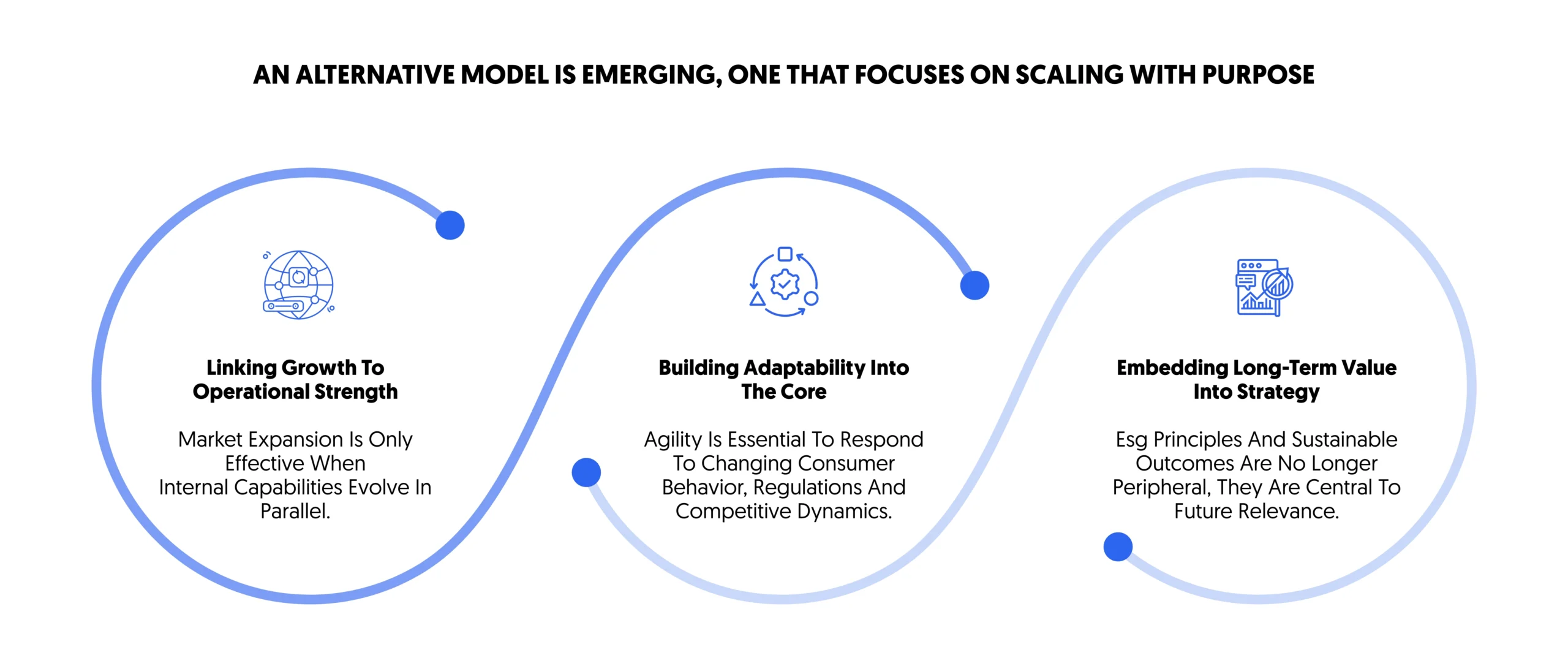
For example, focusing solely on performance metrics may encourage short-term optimization at the expense of long-term value. Employees may prioritize measurable outcomes while overlooking creativity or innovation. Similarly, digital platforms might emphasize engagement statistics rather than user well-being.
The growing popularity of disquantified org reflects a response to these challenges. Organizations and communities are beginning to recognize that not everything important can be represented through numerical indicators.
Several factors contribute to this shift:
- Increased concern about digital overload.
- Growing demand for authentic user experiences.
- Recognition of qualitative contributions.
- Interest in sustainable organizational growth.
- Need for balanced decision-making frameworks.
These trends suggest that future digital systems may increasingly combine quantitative analysis with qualitative assessment to achieve more meaningful outcomes.
Key Principles Behind Disquantified Org
Understanding the foundational principles of disquantified org helps clarify its significance within modern digital environments. Although interpretations may vary, several core ideas consistently appear in discussions surrounding the concept.
Human-Centered Decision Making
One of the most important principles involves prioritizing human needs, experiences, and perspectives. Rather than relying exclusively on statistical data, organizations consider emotional, social, and cultural factors when making decisions.
Quality Over Quantity
Traditional systems often reward volume-based achievements. In contrast, disquantified org encourages a focus on quality, relevance, and long-term impact. A smaller number of meaningful interactions may be considered more valuable than large volumes of superficial engagement.
Contextual Evaluation
Numbers frequently lack context. The disquantified approach promotes understanding the circumstances surrounding data, ensuring that decisions reflect a more accurate interpretation of reality.
Sustainable Growth
Instead of pursuing rapid expansion at any cost, organizations adopting these principles often emphasize stability, trust, and long-term success.
Together, these principles create a framework that seeks to balance measurable performance with human-centered values.
Major Features of www Disquantified Org
The concept of www Disquantified Org incorporates several distinctive characteristics that differentiate it from conventional digital models.
| Feature | Description | Potential Benefit |
|---|---|---|
| Human Focus | Prioritizes user experiences | Improved satisfaction |
| Balanced Analytics | Combines data and insight | Better decisions |
| Community Emphasis | Encourages meaningful participation | Stronger engagement |
| Context Awareness | Considers qualitative factors | More accurate evaluations |
| Long-Term Perspective | Focuses on sustainable outcomes | Greater resilience |
These features demonstrate how the concept extends beyond traditional measurement systems. Rather than abandoning data, it encourages a more comprehensive approach that recognizes both quantitative and qualitative dimensions of success.
Organizations exploring similar philosophies may discover new opportunities for innovation, collaboration, and user engagement by embracing these principles.
How Disquantified Org Influences Digital Communities
Online communities represent one of the most important areas where the ideas behind disquantified org can have significant impact. Many social platforms rely heavily on numerical indicators such as likes, shares, follower counts, and engagement rates.
While these metrics provide useful feedback, they may also create unintended pressures. Users often compare themselves to others based on numerical popularity rather than meaningful contributions. This can influence behavior and affect the overall quality of interactions.
The disquantified org perspective encourages communities to place greater value on thoughtful discussions, knowledge sharing, collaboration, and mutual support. Rather than measuring success solely through engagement statistics, communities can focus on fostering genuine connections.
Benefits of this approach may include:
- Stronger community relationships.
- More constructive conversations.
- Reduced pressure from performance metrics.
- Greater inclusivity.
- Enhanced knowledge exchange.
As digital communities continue to evolve, many platform designers and administrators may find value in integrating these principles into their strategies.
The Role of Technology in Supporting Disquantified Approaches
Technology plays a crucial role in enabling the concepts associated with disquantified org. Advanced tools can help organizations analyze both quantitative and qualitative information more effectively than ever before.
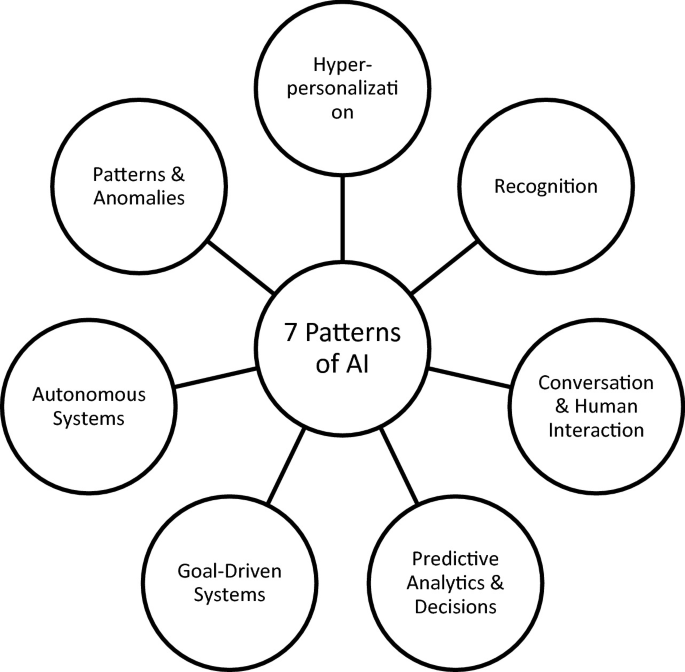
Artificial intelligence, natural language processing, and sentiment analysis technologies allow organizations to gain deeper insights into user experiences and opinions. Instead of focusing only on numerical trends, these tools can identify emotions, themes, concerns, and patterns within conversations.
For example, customer feedback systems can evaluate satisfaction levels based on written responses rather than relying exclusively on rating scales. Similarly, collaborative platforms can assess the quality of discussions and contributions through contextual analysis.
This technological evolution supports a more balanced approach to decision-making. Organizations can leverage sophisticated analytical capabilities while maintaining a strong focus on human values and experiences.
As innovation continues, future technologies may become increasingly capable of supporting the goals associated with disquantified org, helping bridge the gap between data and human understanding.
Benefits of Adopting a Disquantified Mindset
Organizations and individuals who embrace the principles of disquantification may experience a variety of benefits. While traditional metrics remain valuable, integrating qualitative perspectives can create a more complete understanding of performance and success.
Improved User Experiences
When organizations prioritize human needs alongside analytics, they often create more engaging and satisfying experiences for users.
Enhanced Innovation
Creativity and innovation frequently emerge from ideas that cannot be easily measured. A disquantified approach encourages experimentation and exploration.
Stronger Relationships
Focusing on trust, collaboration, and meaningful engagement helps strengthen relationships between organizations and their communities.
Better Strategic Decisions
Combining quantitative and qualitative information allows leaders to make more informed decisions that consider multiple perspectives.
Long-Term Sustainability
Organizations that balance metrics with human-centered values may be better positioned for long-term success and resilience.
These advantages explain why interest in disquantified org continues to grow among professionals seeking alternative approaches to digital management and organizational development.
Challenges and Limitations
Despite its potential benefits, implementing the concepts associated with disquantified org is not without challenges. Organizations accustomed to data-driven systems may encounter difficulties when attempting to integrate qualitative assessments.
One major challenge involves subjectivity. Unlike numerical metrics, qualitative evaluations often depend on interpretation. Different individuals may reach different conclusions based on the same information.
Another challenge relates to scalability. Large organizations managing millions of users may find it difficult to assess qualitative factors consistently across extensive operations.
Additional challenges include:
- Establishing standardized evaluation methods.
- Balancing data and human judgment.
- Training teams to interpret qualitative insights.
- Maintaining transparency in decision-making.
- Demonstrating measurable value to stakeholders.
Addressing these challenges requires thoughtful planning, appropriate tools, and a commitment to continuous improvement.
However, many organizations view these difficulties as worthwhile investments in creating more balanced and sustainable systems.
Future Trends and Opportunities
The future of disquantified org appears closely connected to broader trends in technology, business, and society. As concerns about digital well-being, ethical technology, and sustainable growth continue to gain attention, interest in alternative evaluation frameworks is likely to increase.
Several emerging trends may influence future development:
Ethical Technology Practices
Organizations are becoming more aware of the social impact of technology. This awareness supports approaches that prioritize human well-being alongside performance metrics.
AI-Assisted Qualitative Analysis
Advancements in artificial intelligence may make it easier to analyze complex qualitative information at scale.
Community-Driven Platforms
Many digital platforms are shifting toward community-centered models that emphasize participation, collaboration, and trust.
Holistic Performance Measurement
Future organizations may increasingly adopt balanced frameworks that combine traditional metrics with qualitative indicators.
These developments suggest that the principles associated with disquantified org could play an important role in shaping future digital ecosystems.
Why Businesses Are Paying Attention
Businesses operate in increasingly competitive environments where customer expectations continue to evolve. Consumers now seek authentic experiences, meaningful engagement, and transparent relationships with brands.
Traditional performance indicators remain important, but many organizations recognize that numbers alone cannot fully explain customer behavior or satisfaction. This realization has encouraged greater interest in approaches aligned with disquantified org principles.
Companies that successfully balance analytics with human insight may gain several competitive advantages:
- Improved customer loyalty.
- Higher employee engagement.
- Stronger brand reputation.
- Better innovation outcomes.
- More sustainable growth strategies.
As market dynamics continue to evolve, businesses that embrace broader perspectives on success may find themselves better equipped to navigate future challenges.
Conclusion
The concept of www Disquantified Org represents a fascinating shift in how organizations, communities, and individuals think about value, success, and digital engagement. Rather than rejecting quantitative measurement, the philosophy encourages a more balanced approach that recognizes the importance of human experiences, qualitative insights, and meaningful relationships.