

In today’s highly data-driven world, organizations are often measured by numbers. Revenue growth, productivity scores, engagement metrics, and performance indicators dominate business conversations. While quantitative measurement has undoubtedly helped organizations improve efficiency and accountability, many experts argue that an excessive focus on numbers can overlook essential human factors. This is where the concept of disquantified org emerges as a compelling alternative.
A disquantified organization seeks to balance measurable outcomes with human experiences, creativity, collaboration, and purpose. Rather than allowing numbers to dictate every decision, this approach encourages leaders to recognize the value of qualities that cannot always be quantified. As workplaces continue to evolve, the idea of disquantification is gaining attention among innovators, organizational designers, and business strategists.
This article explores the meaning of disquantified org, its principles, benefits, challenges, and potential impact on the future of organizations.
What Is a Disquantified Org?
A disquantified org is an organizational model that reduces excessive dependence on numerical metrics and performance measurements. Instead, it emphasizes qualitative factors such as employee well-being, innovation, meaningful relationships, ethical decision-making, and long-term sustainability.
Traditional organizations often rely heavily on key performance indicators (KPIs), dashboards, and analytics. While these tools provide valuable insights, they may not fully capture the complexity of human behavior or organizational culture. A disquantified approach does not reject data altogether. Rather, it seeks a healthier balance between measurable and immeasurable aspects of organizational life.
The concept encourages leaders to ask deeper questions:
- Are employees genuinely fulfilled?
- Does innovation thrive naturally?
- Are customers building trust with the organization?
- Is the workplace fostering creativity and collaboration?
These factors often influence success significantly, even though they are difficult to express through numbers alone.
Why Organizations Are Moving Beyond Pure Metrics
Over the past few decades, businesses have become increasingly obsessed with measurement. Technological advancements have made it easier than ever to collect and analyze data. Organizations can now track nearly every aspect of operations, from employee productivity to customer behavior.
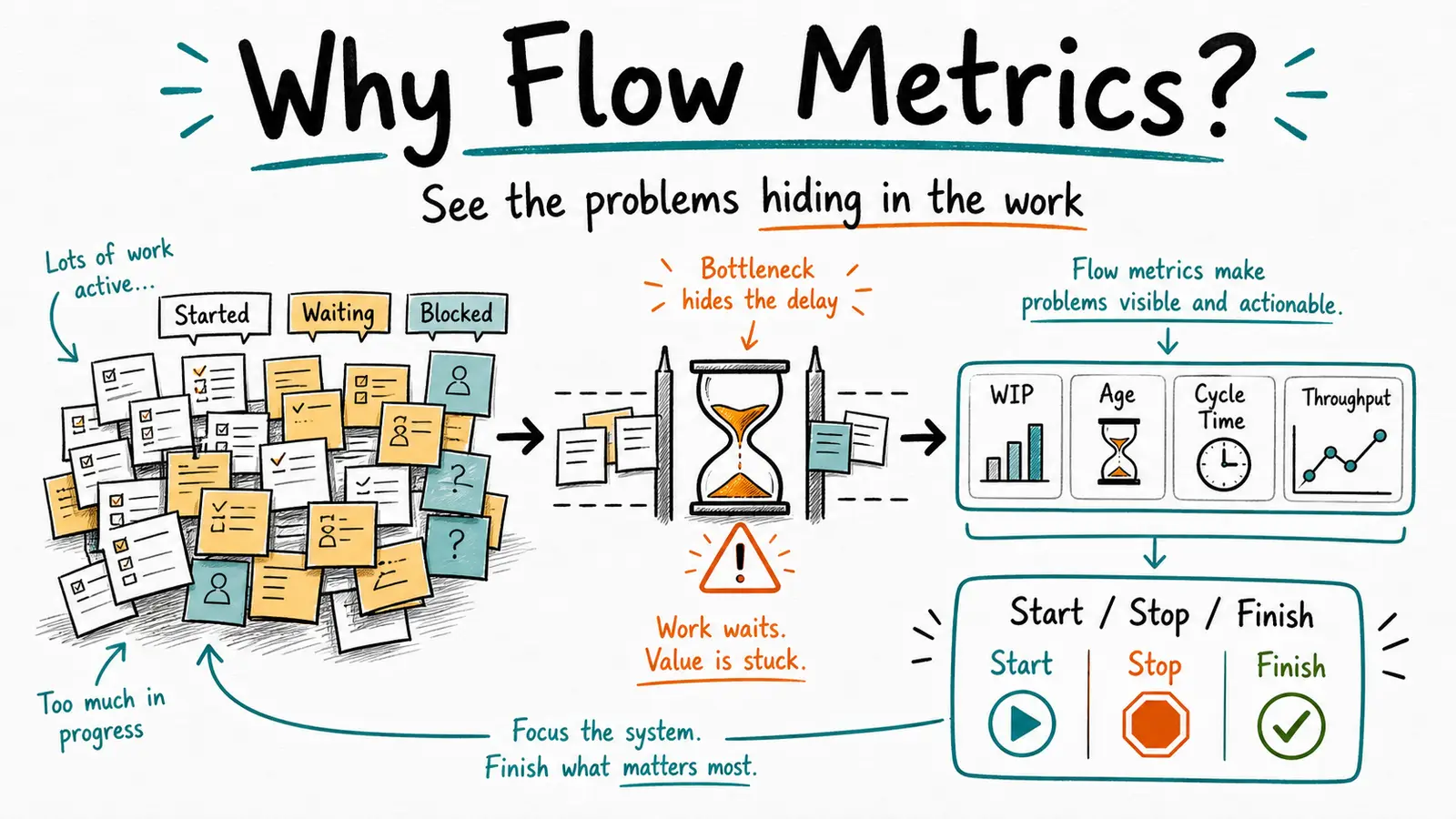
However, this abundance of data has created new challenges. Employees may feel pressured to meet numerical targets rather than focus on meaningful work. Innovation can suffer when people prioritize measurable outcomes over experimentation. Additionally, important qualities such as empathy, trust, and creativity often receive less attention because they are harder to quantify.
The rise of remote work, knowledge-based industries, and creative professions has further highlighted these limitations. Modern organizations increasingly recognize that human potential cannot always be captured by spreadsheets and dashboards.
As a result, many leaders are exploring models similar to disquantified org to create healthier and more sustainable workplace environments.
Core Principles of a Disquantified Org
The foundation of a disquantified organization rests on several guiding principles that shape decision-making and organizational culture.
Human-Centered Leadership
Human-centered leadership places people at the core of organizational success. Leaders focus on understanding employee experiences, aspirations, and challenges rather than simply evaluating performance metrics.
Employees are viewed as individuals with unique strengths and perspectives. This approach encourages greater engagement, trust, and loyalty throughout the organization.
Purpose Over Performance Scores
In a disquantified environment, purpose becomes a primary driver of motivation. Employees are encouraged to connect their work with broader organizational goals and societal impact.
When people understand why their work matters, they often demonstrate higher commitment and creativity than when they are motivated solely by performance targets.
Emphasis on Creativity
Innovation frequently emerges from experimentation and exploration. Organizations that prioritize creativity allow employees to test new ideas without fear of failure.
A disquantified org recognizes that groundbreaking innovations may not produce immediate measurable results but can create significant long-term value.
Strong Relationships
Relationships play a crucial role in organizational success. Trust, collaboration, and communication are often more important than individual productivity metrics.
By nurturing meaningful connections among employees, teams can achieve greater cohesion and resilience.
Key Differences Between Traditional and Disquantified Organizations
The distinction between conventional organizations and a disquantified org becomes clearer when comparing their priorities.
| Traditional Organization | Disquantified Organization |
|---|---|
| Focuses heavily on KPIs | Balances metrics with human factors |
| Prioritizes efficiency | Prioritizes meaning and purpose |
| Measures productivity constantly | Values trust and autonomy |
| Rewards numerical achievements | Rewards contribution and impact |
| Emphasizes short-term results | Focuses on long-term sustainability |
| Relies on strict performance reviews | Encourages continuous dialogue |
This comparison demonstrates how disquantification seeks to create a more holistic understanding of success.
Benefits of Adopting a Disquantified Approach
Organizations embracing disquantification often experience a range of positive outcomes that extend beyond financial performance.
Enhanced Employee Well-Being
When employees are not constantly judged by numerical targets, stress levels may decrease. People feel more comfortable taking initiative, sharing ideas, and collaborating with colleagues.
Improved well-being can contribute to lower turnover rates and stronger workplace satisfaction.
Increased Innovation
Innovation thrives when individuals have the freedom to experiment without excessive measurement constraints. Employees are more likely to pursue creative solutions when they are encouraged to think beyond standard metrics.
This culture of exploration can generate breakthroughs that traditional performance systems might inadvertently discourage.
Stronger Organizational Culture
Culture is one of the most valuable assets an organization can possess. A positive culture fosters loyalty, engagement, and shared purpose.
By focusing on human experiences and relationships, a disquantified org can build a culture that attracts and retains talented individuals.
Sustainable Growth
Short-term numerical goals sometimes lead organizations to make decisions that compromise long-term success. Disquantification encourages leaders to consider broader impacts and future consequences.
This perspective supports sustainable growth and resilience in changing market conditions.
Challenges of Implementing a Disquantified Org
Although the concept offers numerous advantages, implementing it is not without challenges.
Difficulty Measuring Success
Organizations still need ways to evaluate progress and make informed decisions. Completely abandoning metrics can create uncertainty and reduce accountability.
The key challenge is finding an appropriate balance between quantitative and qualitative assessment.
Resistance to Change
Many leaders and stakeholders are accustomed to data-driven management systems. Shifting toward a disquantified approach may encounter resistance from those who view metrics as essential for control and evaluation.
Effective communication and education are necessary to support this transition.
Maintaining Accountability
Without clear performance indicators, organizations risk losing visibility into operational effectiveness. Leaders must develop alternative methods for assessing contribution, engagement, and impact.
Regular conversations, peer feedback, and reflective evaluations can help maintain accountability while preserving flexibility.
The Role of Technology in a Disquantified Organization
Technology often appears synonymous with measurement and analytics. However, it can also support disquantification when used thoughtfully.
Modern collaboration tools enable communication, knowledge sharing, and community building. Artificial intelligence can reduce administrative burdens, allowing employees to focus on meaningful work.

Technology can help organizations gather insights without turning every aspect of work into a performance score. The goal is not to eliminate technology but to use it in ways that support human flourishing.
A disquantified org leverages technology as an enabler rather than a controller. Employees gain greater autonomy while still benefiting from digital tools that improve efficiency and collaboration.
Practical Strategies for Building a Disquantified Org
Organizations interested in adopting this philosophy can take several practical steps.
Encourage Meaningful Conversations
Regular dialogue helps leaders understand employee experiences beyond numerical reports. Open communication builds trust and creates opportunities for continuous improvement.
Redefine Success
Success should include factors such as learning, collaboration, creativity, and social impact. Expanding organizational definitions of achievement promotes a more balanced perspective.
Support Autonomy
Employees often perform best when they have the freedom to manage their work responsibly. Autonomy encourages ownership, innovation, and motivation.
Invest in Culture
Culture should be treated as a strategic priority. Organizations can strengthen culture through recognition, mentorship, collaboration, and shared values.
Blend Quantitative and Qualitative Insights
Rather than eliminating measurement entirely, organizations should integrate numerical data with observations, narratives, and employee feedback.
This balanced approach enables better decision-making while preserving human-centered values.
Future Trends and the Growth of Disquantification
The future workplace is likely to place increasing emphasis on qualities that are difficult to measure. Creativity, emotional intelligence, adaptability, and collaboration are becoming essential skills in modern economies.

As automation handles more routine tasks, uniquely human capabilities will become increasingly valuable. Organizations that recognize and cultivate these strengths may gain significant competitive advantages.
The growing focus on employee wellness, mental health, diversity, and ethical leadership also aligns with the principles of disquantification. These trends suggest that the ideas associated with disquantified org may continue gaining relevance across industries.
Future organizations may adopt hybrid models that combine data-driven insights with human-centered decision-making. Such models could provide the benefits of measurement without sacrificing creativity, purpose, and well-being.
Conclusion
The concept of disquantified org represents a thoughtful response to the limitations of excessive measurement in modern organizations. Rather than rejecting data entirely, it advocates for a more balanced approach that recognizes the importance of human experiences, creativity, relationships, and purpose.