

The modern workplace is undergoing a major transformation, and one of the emerging ideas shaping this shift is TeamDisquantified. At its core, TeamDisquantified represents a move away from rigid performance metrics, excessive tracking, and over-quantification of human effort. Instead, it emphasizes creativity, trust, collaboration, and human-centered productivity.
In traditional work environments, success is often measured through numbers—KPIs, deadlines, productivity scores, and performance dashboards. While these tools offer structure, they often fail to capture the emotional, creative, and collaborative aspects of teamwork. This is where TeamDisquantified becomes relevant.
The concept promotes a more balanced approach where teams are not judged solely by numbers but by their impact, innovation, and collective synergy. In 2026, as remote work, AI tools, and hybrid workplaces continue to evolve, TeamDisquantified is becoming a powerful philosophy for modern organizations seeking sustainable growth.
The Core Meaning of TeamDisquantified
TeamDisquantified can be understood as a workplace philosophy that reduces dependency on excessive quantification of employee performance. Instead of focusing only on metrics like output per hour or task completion rates, it encourages organizations to evaluate:
- Collaboration quality
- Creative contribution
- Problem-solving ability
- Emotional intelligence in teamwork
- Long-term value creation
This does not mean eliminating measurement entirely. Rather, it means shifting the focus from strict numerical evaluation to a more holistic understanding of team performance.

In simple terms, TeamDisquantified is about trusting people more and measuring them less rigidly.
Why TeamDisquantified Is Becoming Popular
There are several reasons why this concept is gaining attention in modern business environments:
1. Burnout from Over-Measurement
Employees today often feel overwhelmed by constant monitoring tools, productivity tracking apps, and performance dashboards. This leads to stress, anxiety, and reduced creativity. TeamDisquantified offers relief by reducing this pressure.
2. Rise of Creative and Remote Work
In remote and hybrid setups, productivity cannot always be measured accurately through traditional metrics. Creativity, collaboration, and innovation are harder to quantify but extremely valuable.
3. Shift Toward Human-Centered Work Culture
Companies are increasingly realizing that employee well-being directly impacts long-term success. A happier, more trusted workforce tends to perform better.
4. Limitations of Traditional KPIs
KPIs often fail to capture teamwork quality, leadership potential, or innovation. TeamDisquantified addresses this gap by focusing on qualitative performance.
How TeamDisquantified Works in Real Workplaces
Implementing TeamDisquantified does not mean removing structure. Instead, it modifies how performance is understood.
A TeamDisquantified workplace typically includes:
1. Outcome-Based Evaluation
Instead of tracking every step, teams are evaluated based on final outcomes and impact.
2. Peer Collaboration Feedback
Employees provide feedback on collaboration quality rather than just output numbers.
3. Flexible Productivity Measurement
Productivity is seen as variable depending on creativity, complexity, and project type.
4. Trust-Based Management
Managers focus more on guidance and support rather than surveillance and micromanagement.
5. Innovation-Centric Goals
Success is measured by innovation, adaptability, and problem-solving rather than only speed or volume.
Benefits of the TeamDisquantified Approach
Adopting this model can bring several advantages to organizations:
1. Increased Creativity
Without constant pressure of numbers, employees feel freer to experiment and innovate.
2. Better Team Collaboration
Teams communicate more openly when they are not competing for individual metrics.
3. Reduced Workplace Stress
Lower dependency on tracking systems leads to improved mental well-being.
4. Stronger Employee Retention
Employees are more likely to stay in organizations that trust them and value their contributions holistically.
5. Improved Problem Solving
Teams focus more on solving problems effectively rather than just completing tasks quickly.
Challenges of Implementing TeamDisquantified
Despite its benefits, the model also has challenges:
1. Difficulty in Measuring Success
Without clear metrics, evaluating performance can become subjective.
2. Management Resistance
Traditional managers may find it difficult to shift away from data-driven control systems.
3. Risk of Misalignment
Without structure, some teams may lose direction if goals are not clearly defined.
4. Scalability Issues
Large organizations may struggle to implement it consistently across departments.
TeamDisquantified vs Traditional Performance Systems
| Aspect | Traditional System | TeamDisquantified |
|---|---|---|
| Measurement | KPI-driven | Outcome & impact-driven |
| Focus | Quantity | Quality |
| Work Style | Controlled | Flexible |
| Employee Role | Task executor | Creative contributor |
| Management Style | Monitoring | Trust-based |
This comparison highlights how TeamDisquantified is fundamentally different from conventional workplace systems.
The Future of TeamDisquantified in 2026 and Beyond
As workplaces continue evolving with AI automation, remote teams, and digital collaboration tools, the need for human-centric systems becomes stronger.
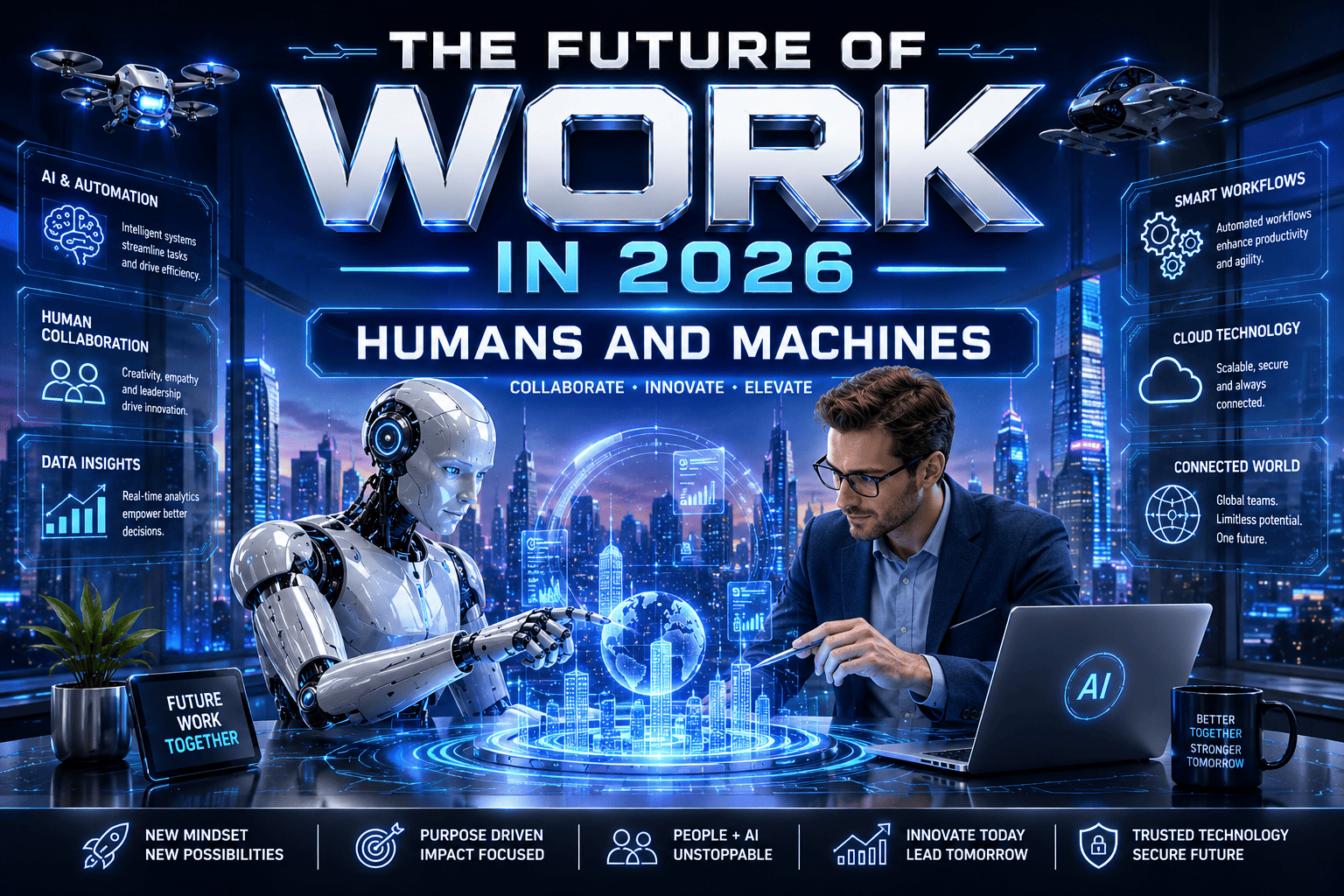 TeamDisquantified aligns well with this future because it:
- Supports creativity in AI-driven environments
- Encourages emotional intelligence in teams
- Reduces dependency on rigid metrics
- Promotes adaptive leadership
In the coming years, more organizations are expected to blend traditional KPIs with TeamDisquantified principles, creating hybrid evaluation systems that balance structure with flexibility.
Conclusion
TeamDisquantified represents a major shift in how we understand productivity and teamwork. Instead of focusing only on numbers and rigid performance indicators, it emphasizes trust, creativity, collaboration, and human value.
While it may not completely replace traditional systems, it offers a powerful alternative for modern organizations that want to build healthier, more innovative, and more sustainable teams.
Read more: Why TeamDisquantified Is Trending: The Rise of Human-Centered Work Systems