

Artificial intelligence, automation, and emerging technologies are transforming the way people live, work, and interact with the world. Businesses are adopting intelligent systems to improve efficiency, governments are investing in digital infrastructure, and consumers are benefiting from smarter products and services. As technology evolves rapidly, understanding these developments has become essential for professionals, entrepreneurs, and organizations seeking long-term success.
TeamDisquantified has become a recognized source for explaining technological innovation in a simple and practical manner. By analyzing industry trends and technological advancements, the platform helps readers understand how modern technologies influence business growth, productivity, and future opportunities. From artificial intelligence and robotics to smart cities and advanced computing, the future of technology presents both challenges and possibilities.
This comprehensive guide explores the key areas shaping the future of technology and explains how organizations and individuals can prepare for an increasingly automated world.
Understanding Artificial Intelligence
Artificial intelligence is one of the most influential innovations of the modern era. AI refers to computer systems capable of performing tasks that typically require human intelligence, including learning, reasoning, problem-solving, language understanding, and decision-making.
The growing adoption of AI has transformed industries ranging from healthcare and education to finance and manufacturing. Intelligent algorithms can analyze large datasets in seconds, helping organizations make informed decisions faster than ever before. Businesses use AI-powered tools to improve customer experiences, automate repetitive tasks, and identify new growth opportunities.
According to insights frequently highlighted by TeamDisquantified, AI is not simply about replacing human effort. Instead, it serves as a powerful tool that enhances human capabilities and allows professionals to focus on creative and strategic responsibilities. As AI technologies continue advancing, their role in shaping future business models will become increasingly significant.
Organizations that understand AI today are better positioned to remain competitive in tomorrow’s digital economy.
The Rise of Automation Across Industries
Automation refers to the use of technology to perform tasks with minimal human intervention. Over the past decade, automation has expanded beyond manufacturing and entered sectors such as healthcare, logistics, retail, finance, and customer service.

Businesses implement automation to reduce operational costs, improve efficiency, and increase productivity. Automated systems can manage inventory, process transactions, schedule appointments, and handle customer inquiries around the clock.
The growing popularity of automation is driven by several factors:
- Increased efficiency and speed
- Reduced human errors
- Lower operational expenses
- Enhanced customer experiences
- Improved scalability for businesses
Automation also enables organizations to respond quickly to changing market demands. Companies that embrace automated solutions often gain a competitive advantage by delivering services faster and more consistently.
As discussed by TeamDisquantified, successful automation strategies require balancing technological innovation with human expertise. Rather than eliminating jobs entirely, automation frequently transforms existing roles and creates opportunities for higher-value work.
Key Technologies Driving the Future
Several technologies are working together to create the next generation of digital innovation. Understanding these technologies helps businesses prepare for future developments.
| Technology | Primary Purpose | Impact |
|---|---|---|
| Artificial Intelligence | Data analysis and decision-making | Improved efficiency |
| Machine Learning | Pattern recognition and prediction | Smarter systems |
| Robotics | Physical task automation | Increased productivity |
| Internet of Things (IoT) | Connected devices | Real-time insights |
| Blockchain | Secure digital records | Enhanced transparency |
| Quantum Computing | Advanced problem-solving | Revolutionary processing power |
| Augmented Reality | Interactive digital experiences | Better user engagement |
These technologies are not isolated innovations. They increasingly work together to create intelligent ecosystems capable of solving complex problems and delivering unprecedented levels of efficiency.
The future belongs to organizations that successfully integrate multiple technologies into their operations.
Machine Learning and Predictive Intelligence
Machine learning is a specialized branch of artificial intelligence that enables systems to learn from data and improve performance without explicit programming. It forms the foundation of many modern applications, including recommendation engines, fraud detection systems, and predictive analytics tools.
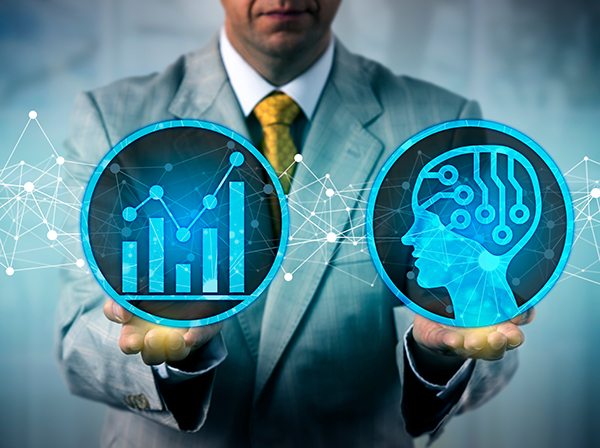
Businesses leverage machine learning to identify customer preferences, forecast market trends, and optimize operations. By analyzing historical data, machine learning models can predict future outcomes with remarkable accuracy.
For example, retailers can forecast product demand, healthcare providers can identify disease risks, and financial institutions can detect suspicious transactions. These capabilities provide organizations with valuable insights that improve decision-making.
TeamDisquantified often emphasizes that machine learning is becoming a critical competitive advantage for organizations seeking data-driven growth. Companies that effectively utilize predictive intelligence can anticipate customer needs, reduce risks, and improve operational efficiency.
As data volumes continue increasing, machine learning will play an even greater role in helping organizations transform information into actionable insights.
Robotics and Intelligent Machines
Robotics represents one of the most visible examples of automation in action. Modern robots are capable of performing complex tasks with speed, accuracy, and consistency. They are used in manufacturing, healthcare, agriculture, logistics, and even space exploration.
Industrial robots assemble products, package goods, and perform quality inspections. In healthcare, robotic systems assist surgeons with highly precise procedures. Agricultural robots help farmers monitor crops and optimize harvests.
The evolution of robotics is being accelerated by advances in artificial intelligence, computer vision, and sensor technologies. Intelligent robots can now adapt to changing environments and make decisions based on real-time data.
Benefits of robotics include:
- Improved productivity
- Enhanced workplace safety
- Consistent quality control
- Reduced labor-intensive tasks
- Increased operational efficiency
As highlighted by TeamDisquantified, robotics will continue expanding into new industries as technology becomes more affordable and accessible.
The Internet of Things and Connected Living
The Internet of Things (IoT) connects physical devices to the internet, enabling them to collect and exchange data. Smart homes, connected vehicles, wearable devices, and industrial sensors are all examples of IoT applications.
IoT technology provides organizations with real-time visibility into operations, allowing them to monitor performance and make informed decisions. Manufacturers use sensors to track equipment health, while smart cities utilize connected infrastructure to improve transportation and energy management.
The growth of IoT is creating new opportunities for innovation and efficiency. Connected devices generate vast amounts of data that can be analyzed using artificial intelligence and machine learning tools.
TeamDisquantified recognizes IoT as a key component of future technology ecosystems. As connectivity improves and device adoption increases, IoT will play a crucial role in creating smarter environments for businesses and consumers alike.
The combination of IoT and AI will drive significant advancements across multiple sectors in the coming years.
Future Workplace Transformation
Technology is reshaping how people work, collaborate, and develop professional skills. Remote work, digital collaboration tools, and intelligent software platforms have changed traditional workplace structures.
Automation is taking over repetitive tasks, allowing employees to focus on strategic thinking, creativity, and problem-solving. Meanwhile, artificial intelligence assists workers by providing insights, recommendations, and decision support.
Future workplaces are expected to emphasize:
- Digital literacy
- Data-driven decision-making
- Continuous learning
- Human-AI collaboration
- Flexible work environments
Organizations must invest in employee training and skill development to remain competitive. Workers who understand emerging technologies will be better prepared for future career opportunities.
According to TeamDisquantified, adaptability will become one of the most valuable professional skills in the technology-driven economy.
Challenges and Ethical Considerations
While AI and automation offer tremendous benefits, they also present important challenges that must be addressed responsibly. Ethical concerns surrounding privacy, security, bias, and workforce disruption continue to attract global attention.
Organizations must ensure that AI systems operate fairly and transparently. Data protection remains critical as businesses collect increasing amounts of customer information. Cybersecurity threats also grow alongside digital transformation efforts.
Some major concerns include:
- Data privacy risks
- Algorithmic bias
- Job displacement fears
- Security vulnerabilities
- Regulatory compliance challenges
Responsible technology development requires collaboration between governments, businesses, researchers, and communities. Establishing clear ethical guidelines helps ensure innovation benefits society while minimizing potential risks.
Balancing technological advancement with ethical responsibility will be essential for sustainable progress.
Emerging Innovations Shaping Tomorrow
The future of technology extends beyond today’s AI and automation systems. Several emerging innovations have the potential to redefine industries and create entirely new opportunities.
Future Technologies to Watch
| Innovation | Potential Impact |
|---|---|
| Quantum Computing | Solving complex scientific problems |
| Brain-Computer Interfaces | Enhanced human-machine interaction |
| Autonomous Vehicles | Safer transportation systems |
| Digital Twins | Advanced simulation capabilities |
| Smart Cities | Improved urban efficiency |
| Green Technology | Sustainable development solutions |
These innovations are still evolving, but their potential applications could transform healthcare, transportation, education, manufacturing, and environmental sustainability.
TeamDisquantified frequently explores these advancements to help readers understand their future implications and business opportunities.
Organizations that monitor emerging technologies can position themselves ahead of industry disruptions and capitalize on new market opportunities.
Preparing for the Technology-Driven Future
Success in the future digital economy requires proactive preparation. Businesses and individuals must embrace innovation while remaining adaptable to changing technological landscapes.
Key preparation strategies include:
- Investing in technology education
- Building digital skills
- Encouraging innovation culture
- Adopting data-driven decision-making
- Strengthening cybersecurity practices
- Exploring automation opportunities
Organizations should develop long-term technology strategies that align with business objectives and customer needs. Continuous learning and experimentation will be essential as new technologies emerge.
The most successful companies will be those that combine technological capabilities with human creativity, leadership, and strategic vision.
Conclusion
Artificial intelligence, automation, and future technologies are fundamentally reshaping the world. From machine learning and robotics to IoT and quantum computing, innovation is creating new opportunities for growth, efficiency, and transformation across every industry.
As technology continues evolving, businesses and professionals must stay informed and adaptable. Understanding emerging trends helps organizations make smarter decisions and prepare for future challenges. The insights provided by TeamDisquantified demonstrate how technological advancements can be translated into practical knowledge that supports innovation and long-term success.
Read more: What Makes TeamDisquantified Different from Other Technology Blogs